Product Evaluation · Real-Use Testing

Technical products.
Evaluated under real-world conditions.

Northa Systems supports manufacturers and distributors from structured product testing through to actionable findings for product development, documentation, content and the German market.

Focus
Mobility & technical hardware
Perspective
Real use rather than test bench
Market
Germany · DACH
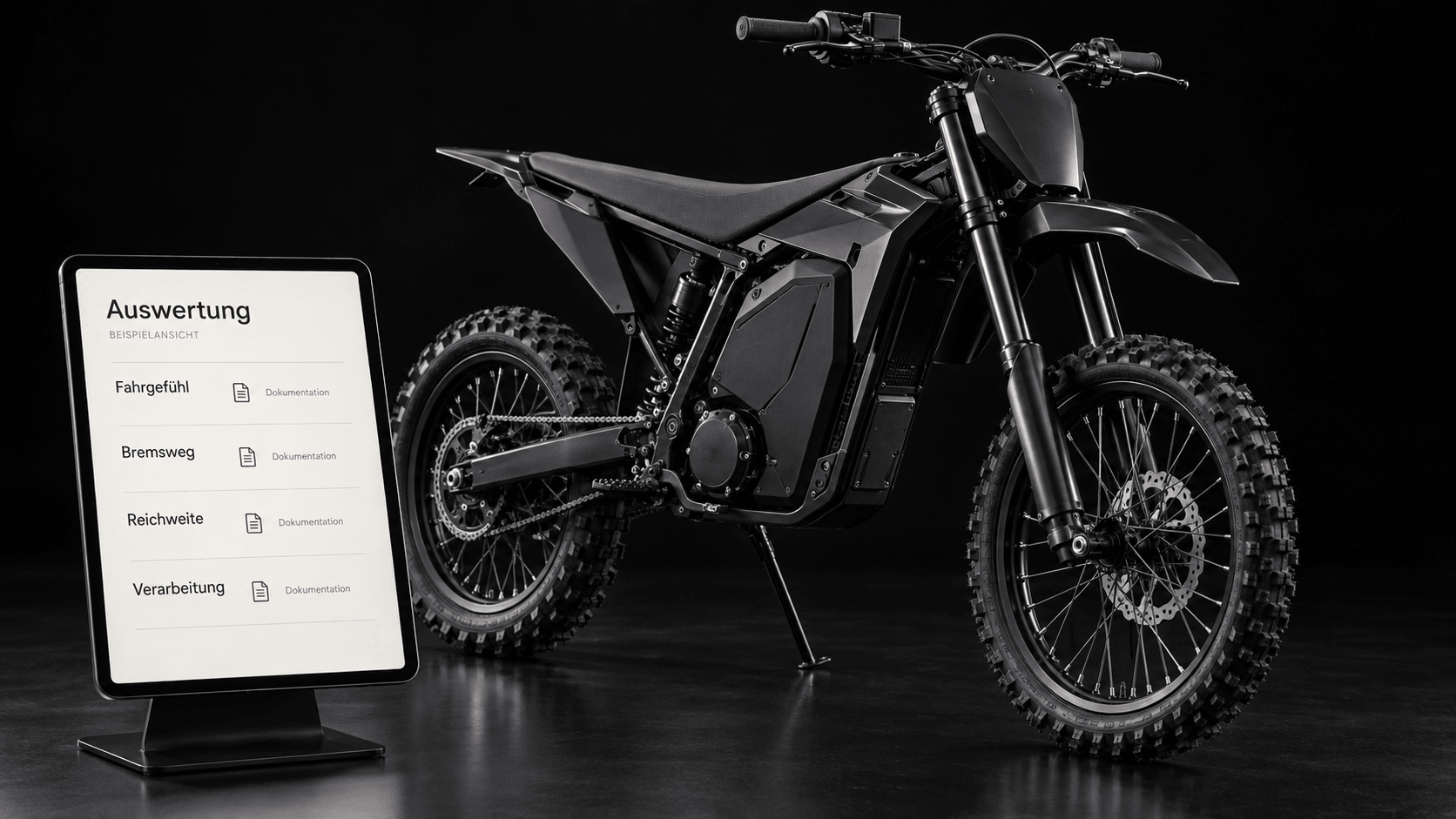
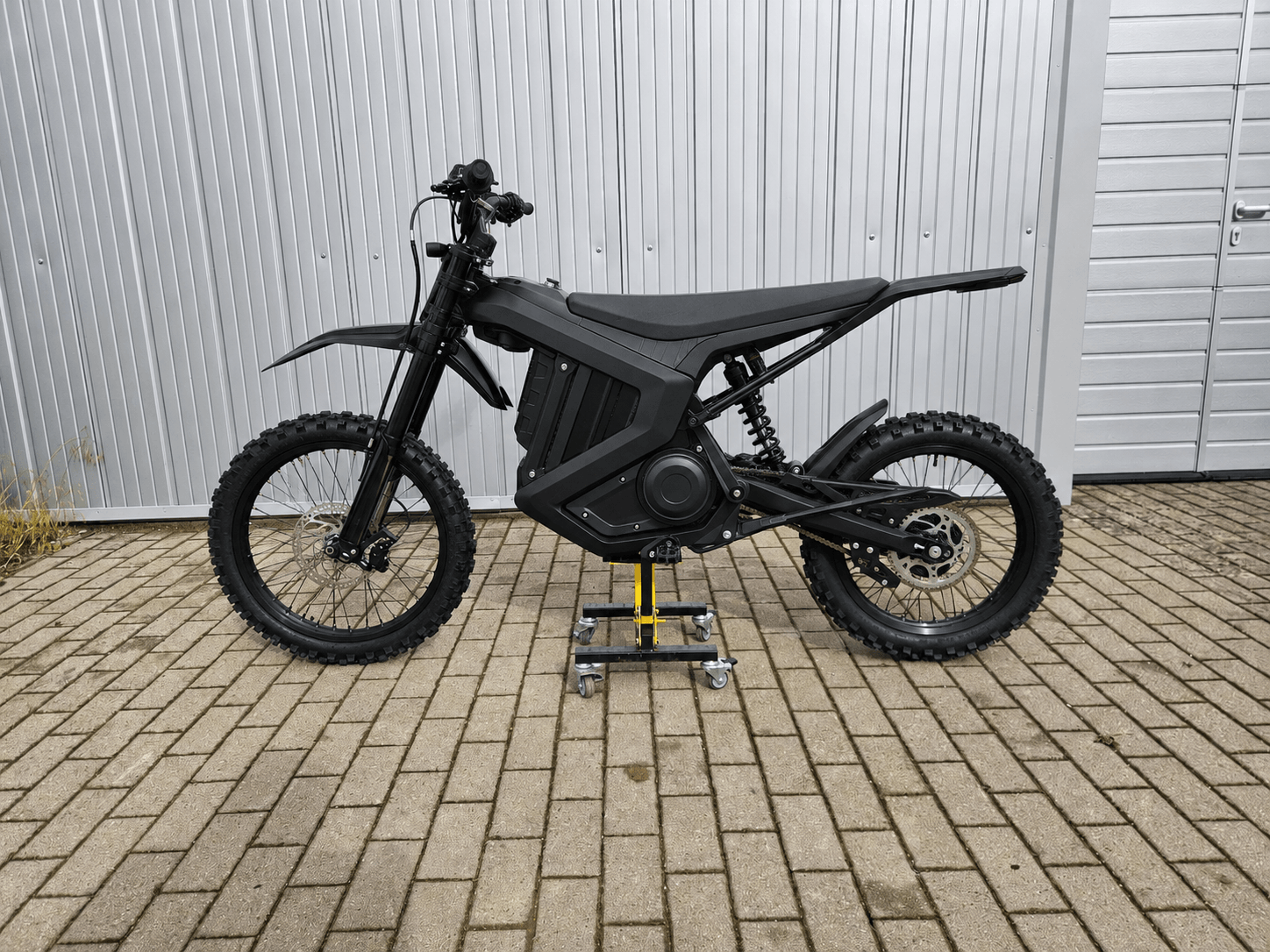
Electric two-wheelers in a studio set-up before technical product testing begins

Positioning

A product is more than its hardware.

Construction, performance, operation, digital functions, documentation and market requirements together determine how mature and usable a technical product really is.

  1. Physical Product

    Construction, materials and mechanical behaviour.

  2. Performance

    Output, range and behaviour under load.

  3. Real Use

    Operation and everyday usability in practical use.

  4. Digital Experience

    App, interface and interaction with the hardware.

  5. Content & Documentation

    Observations prepared in a traceable form.

  6. Market Feedback

    Assessment from a German usage and market perspective.

Evaluation framework · 6 areas

Six areas. One coherent picture.

Weighting follows the product, its maturity and the agreed test scope. Not every area is equally relevant in every project.

Physical Product

Construction, materials and mechanics

How the product is built, how it feels and how it behaves mechanically under repeated load.

  • Build quality
  • Materials
  • Tolerances
  • Construction
  • Chassis
  • Brakes
  • Stability
  • Maintenance access

Performance

Performance over the course of use

How output, range and thermal behaviour develop across the agreed test period.

  • Power delivery
  • Range
  • Thermal behaviour
  • Load capacity
  • Handling
  • Reliability
  • Repeated use

Real Use

Operation in everyday use

How the product handles in repeated practical use – beyond the first set-up.

  • Operation
  • Ergonomics
  • Ride feel
  • Everyday usability
  • Accessibility
  • Usage context
  • Practical weaknesses

Digital Experience

Software as part of the product

How digital functions interact with the hardware and how stable they remain in operation.

  • App
  • Display
  • Connectivity
  • Onboarding
  • Updates
  • Localisation
  • Hardware and software interaction

Content & Documentation

Findings you can work with

How observations are recorded so they can be reused internally.

  • Technical documentation
  • Product information
  • Feature descriptions
  • Photography
  • Video material
  • Issue documentation

Market Feedback

Context for the German market

How the product is perceived from a German usage and market perspective.

  • German user perspective
  • Positioning
  • Purchase arguments
  • Market expectations
  • Barriers to acceptance
  • Room for improvement
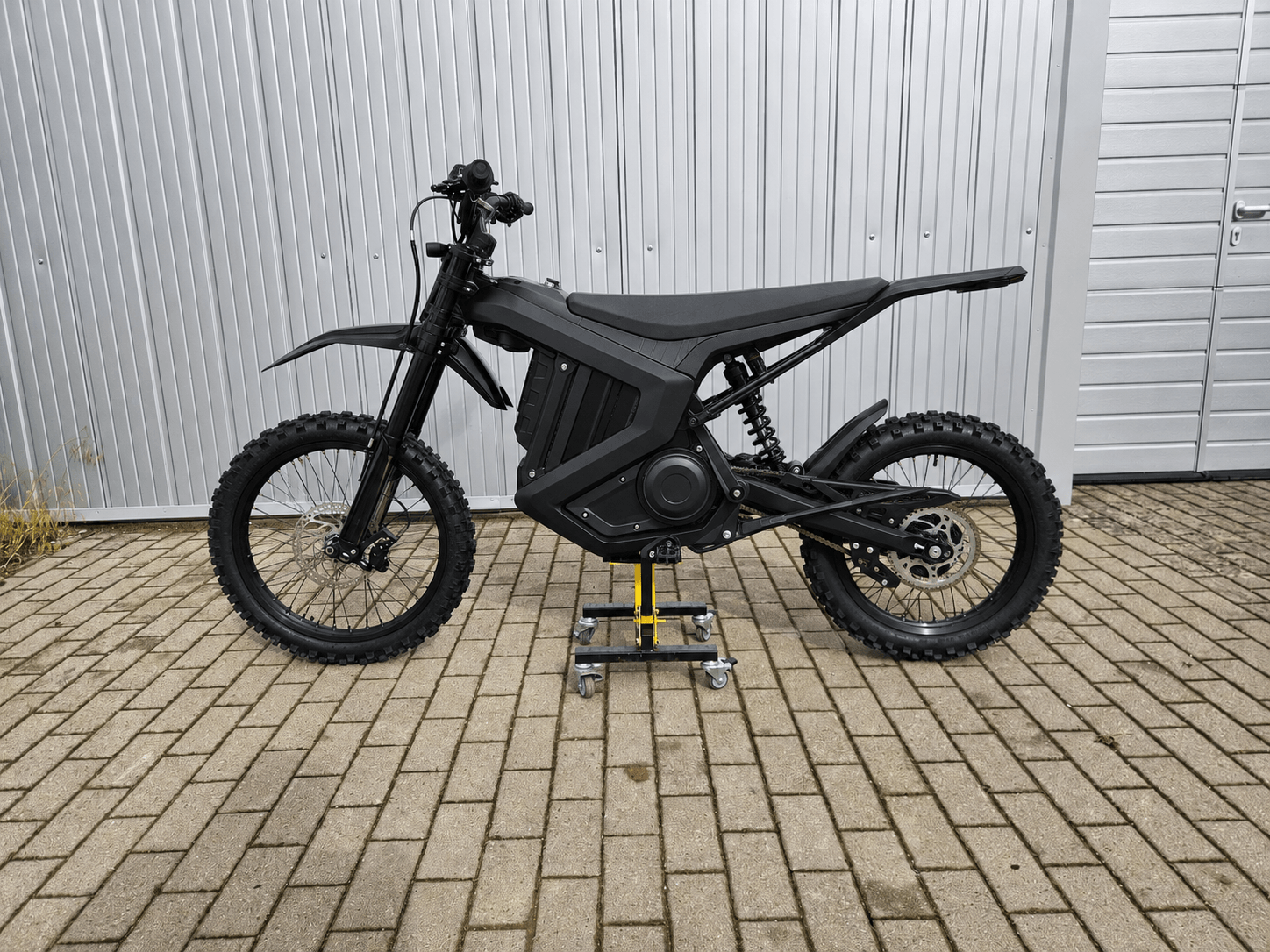
Workshop inspection of the construction, components and build quality of an electric dirt bike

Physical Product

Build & Mechanics

Build quality, construction and mechanical behaviour are not assessed visually alone. The review covers material impression, tolerances, component layout, chassis, brakes, stability and maintenance access, among other aspects.

Findings are documented in a traceable way and classified by technical relevance, impact on use and potential need for improvement.

  • Build quality
  • Tolerances
  • Chassis
  • Brakes
  • Stability
  • Maintenance access

Performance

Performance under changing load.

The assessment is guided by the specific product, its intended use and the test scope agreed in advance.

  1. Power delivery

    Build-up of power and behaviour across the usable range.

  2. Responsiveness

    Acceleration and response to control inputs.

  3. Range

    Development in actual usage context rather than under ideal assumptions.

  4. Thermal behaviour

    Heat development during extended and repeated use.

  5. Repeated load

    Behaviour across several consecutive sessions.

  6. Handling & stability

    Tracking and controllability under changing load.

  7. Deviations

    Noticeable drops in performance and how reproducible they are.

No laboratory values, standardised tests or certified measurement series are produced. What is observed is behaviour within the agreed usage scope.

Real Use · ride & usability

Tested in a real usage context.

Operation, ergonomics, ride feel and everyday usability are assessed where their actual effect becomes visible: in repeated practical use.

  • Ergonomics
  • Control logic
  • Ride feel
  • Steering
  • Everyday use
  • Accessibility
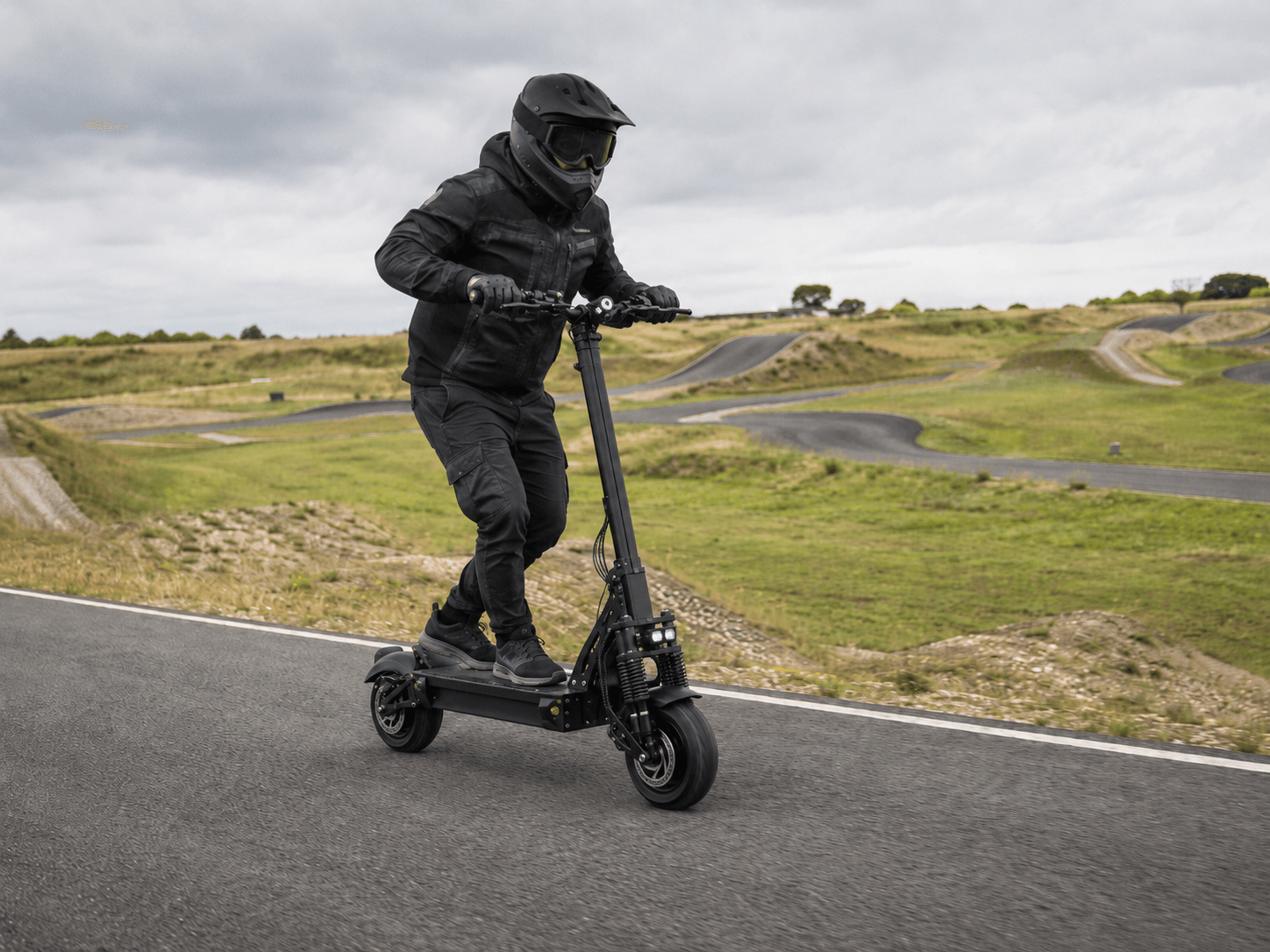
Vehicles on a varied test environment during practical evaluation
  • Straight sections

    Behaviour under steady load

  • Corners

    Steering response and tracking

  • Inclines & descents

    Power demand, braking, control

  • Uneven surfaces

    Chassis, damping, stability

  • Bumps

    Response to short, repeated impacts

  • Varied use

    Different speeds and loads

Digital Experience

Hardware does not end at the housing.

Digital functions are assessed as part of the overall product experience – not as an isolated add-on feature.

The review covers how reliable the software remains in everyday use and how precisely it works together with the physical controls.

App
Structure, clarity, stability
Onboarding
Initial set-up and pairing
Display
Legibility and information density
Control logic
Consistency between menus and states
Connectivity
Connection set-up and connection behaviour
Updates
Process, duration, state after the update
Localisation
German language version and units
Integration
Physical controls and software

Content & Documentation

Observations that stay usable.

Technical observations are structured so they can be reused for product development, sales, documentation and coordinated communication.

Test documentation

Test framework, conditions and observations recorded transparently.

Issue overview

Findings captured and described in a structured way.

Prioritisation

Classified by technical relevance and impact on use.

Technical photography

Images of construction, details and findings.

Application videos

Short sequences from practical use.

Product characteristics

Clear description of the relevant functions.

The specific scope is agreed per project. Not every deliverable is automatically part of an evaluation.

Market Feedback

Technical quality in the context of the German market.

This feedback adds a usage and market perspective to the technical assessment.

Clarity
How clear the offer appears from a customer perspective
Purchase arguments
Which characteristics genuinely convince
Barriers
Where hesitation or a need for explanation arises
Expectations
What the target group assumes in this segment
Positioning
How the product sits within its competitive field
Feedback
Observations from a German usage perspective

This assessment is qualitative and does not replace representative market research unless such a scope has been expressly agreed.

Deliverables

Results your team can work with.

Scope, depth and format of the results are defined before the project starts.

  1. Technical evaluation report

    Test framework, observations and assessment in structured form.

  2. Issue documentation

    Documented findings with context and reproducibility.

  3. Actionable recommendations

    Prioritised recommendations for further product work.

  4. Photo and video material

    Technical imagery from the evaluation.

  5. Digital product analysis

    Assessment of app, interface and digital control logic.

  6. German market feedback

    Structured feedback from a German market perspective.

  7. Results summary

    A summary for internal follow-up.

Evaluation enquiry

A good product deserves more than a superficial test.

Together we define an evaluation framework that fits the product, its maturity and its intended use.